
Introduction: The Solopreneur’s Juggle
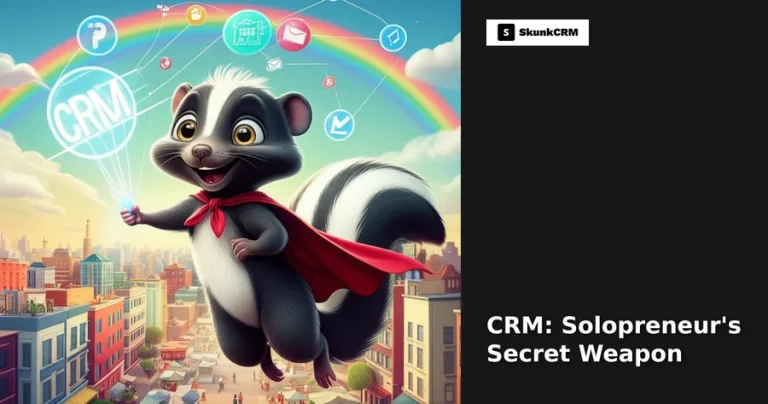
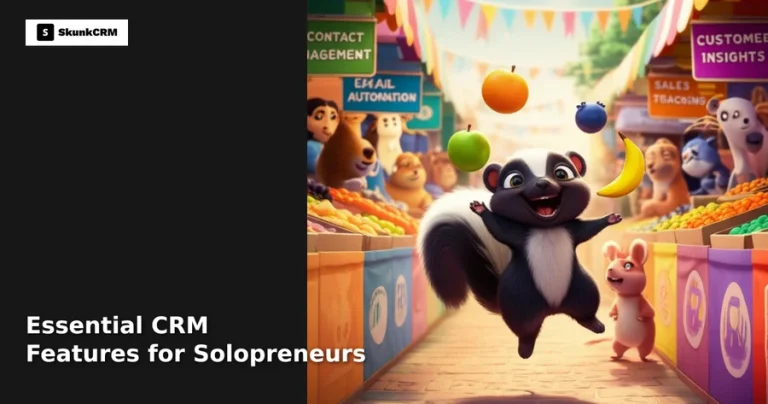
Being a solopreneur is akin to juggling flaming torches while riding a unicycle. You’re continuously balancing tasks, from managing client relationships to handling finances, all without the safety net of a team. The daily hustle of running a one-person business can be overwhelming, leading to missed opportunities and burnout.
Enter the concept of Customer Relationship Management (CRM). A CRM system is not just a tool; it’s a supportive ally in the solopreneur’s journey. It can streamline processes, provide valuable insights, and free up time, allowing you to focus on what truly matters—growing your business.
Understanding CRM: What Is It and Why Does It Matter?
A CRM is a software solution designed to manage all your company’s relationships and interactions with potential and existing customers. Its core aim is to improve business relationships, offering you a comprehensive view of your interactions and data in one centralised place.
Free CRM Implementation Checklist
70% of CRM implementations fail. Don't be one of them. Get our 40+ point checklist covering all 5 implementation phases.
Get the Free ChecklistCore Components of a CRM
Contact Management: At its heart, CRM is about maintaining detailed records of your contacts, including their interaction histories and preferences. This functionality ensures you never forget a name or a conversation, fostering stronger relationships.
Sales Management: It helps you keep track of your sales pipeline, manage your leads, and close deals more efficiently. Knowing where each lead stands in the sales process can significantly boost your conversion rates.
Workflow Automation: A CRM can automate repetitive tasks like follow-up emails, appointment scheduling, and data entry. This automation reduces the time spent on manual tasks, allowing you to focus on strategic activities.
Benefits of CRM for Solopreneurs
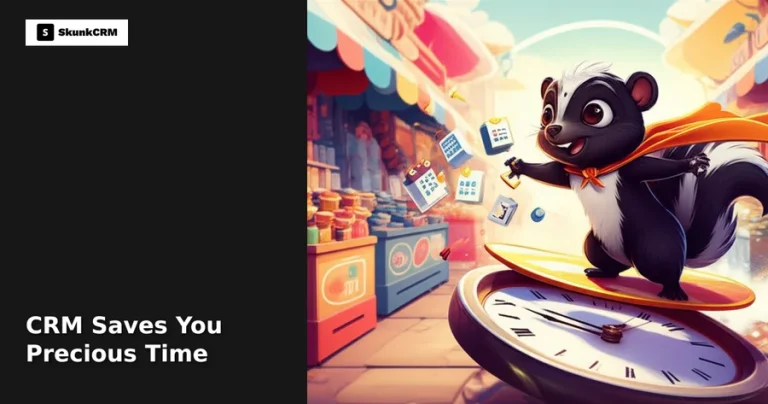
Time-saving through automation: By automating mundane tasks, a CRM frees up your schedule, giving you more time to focus on strategic growth initiatives.
Improved organization and customer insights: With all customer information in one place, you gain valuable insights into customer behaviours and preferences. This enables you to personalise your communications and enhance customer satisfaction.
Life Without a CRM: The Manual Management Challenge
Running a solo business without a CRM is like navigating a maze blindfolded. The typical workflow involves manually tracking customer interactions through spreadsheets, sticky notes, or even memory. This approach is fraught with inefficiencies and ripe for human error.
Common Pitfalls of Manual Management
Time-consuming data entry: Manually entering data into spreadsheets is not only time-consuming but also prone to errors, leading to inconsistent records that can hurt your business relationships.
Difficulty in tracking customer interactions: Without a centralised system, it’s challenging to keep track of past interactions, making it easy to lose sight of customer needs and lose potential sales.
The Stress of Multi-tasking
As a solopreneur, you wear many hats, often juggling multiple tasks simultaneously. Without a system to streamline these tasks, you risk spreading yourself too thin, which can lead to stress and reduced productivity.
Case Study: Solopreneur Success with CRM
Consider the journey of Jane, a freelance graphic designer. Before adopting a CRM, Jane spent countless hours managing emails, tracking project progress, and following up with clients.
Before and After: A Day in the Life
Before using a CRM, Jane’s day was consumed by administrative tasks. After implementing SkunkCRM, she automated follow-ups and centralised her client data, saving hours each week. This newfound time allowed her to focus on creative projects and expand her client base, demonstrating the transformative power of a CRM.
Choosing the Right CRM: What Solopreneurs Should Consider
Selecting the right CRM is crucial for solopreneurs. The right tool can streamline operations and scale with your business.
Key Features to Look For
Ease of use: A user-friendly interface is essential. You want a CRM that integrates seamlessly into your daily routine without a steep learning curve.
Integration capabilities: Ensure the CRM can integrate with the other tools you use, like your email marketing and accounting software. This will create a cohesive ecosystem for your business operations.
Budget-Friendly CRM Options
For solopreneurs, budget is often a concern. Fortunately, there are numerous free and affordable CRM tools available. SkunkCRM, for example, offers scalable plans that grow with your business, ensuring you only pay for what you need.
Practical Tips for Implementing a CRM
Transitioning to a CRM can seem daunting, but with the right approach, it can be a smooth process.
Getting Started: The First 30 Days
Initial setup tasks: Begin by importing your existing customer data. Most CRM systems offer import tools to facilitate this process.
Quick wins to look out for: Automate routine tasks like appointment reminders and follow-up emails. This will provide immediate relief from administrative burdens.
Maintaining Momentum
Regularly review your CRM usage to identify areas for improvement. Optimising your CRM processes can lead to more significant time savings and better customer outcomes.
Conclusion: Is a CRM Right for You?
In the solopreneurial world, a CRM can be a game-changer. While there are initial setup challenges, the long-term benefits of CRM—time savings, improved customer insights, and streamlined operations—far outweigh the cons.
Evaluate your specific needs and consider whether the organisational and efficiency benefits of a CRM align with your business goals. If you’re ready to take the leap, SkunkCRM is here to support your journey to solo success.